
Selling Your Cell Tower: Expert Brokerage for Private Tower Owners
Thinking of selling your private cell tower or portfolio? As a tower owner, navigating the specialized telecommunications market is complex. While it remains a seller’s market for high-quality assets, securing a premium price requires expertise to position your tower for the best outcome. SteelTree Partners are expert cell tower brokers who advise owners of communication infrastructure M&A, ensuring you maximize value and secure the best terms for your assets.

Why Buyers Are Wary: The Need for Upside
Today’s tower buyers—including major tower companies—are increasingly sophisticated. They are cautious and will discount or pass on opportunities they consider “distressed” due to a perceived lack of lease-up potential. Buyers are not willing to pay blindly for any tower asset. In 2025-2026, most tower acquisitions will be consummated by the mid-size private tower companies and US-based infrastructure funds.
To command the highest tower valuation, your asset must demonstrate the potential for future growth. Buyers are looking for upside and will pay higher multiples (lower Cap Rates) for assets with a higher probability of adding tenants. A good broker knows how to present your tower assets to a wide range of buyers, emphasizing the positive aspects of the tower or portfolio while acknowledging but downplaying the negative aspects.
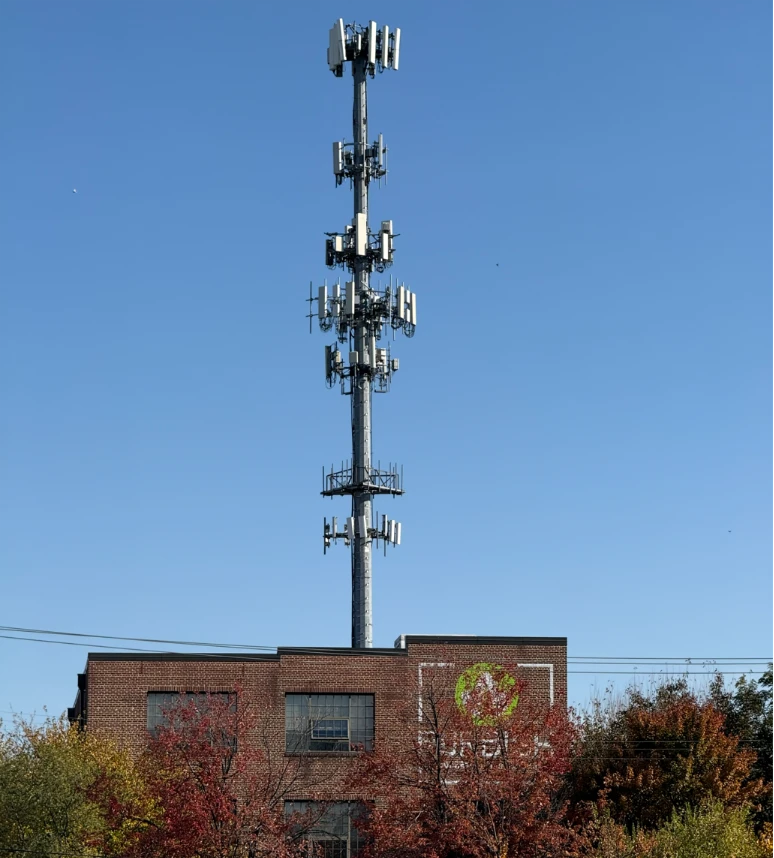
What Intelligent Tower Buyers Scrutinize
Buyers focus on key elements that signal the asset’s or portfolio’s long-term viability and growth potential.
-
- Tower Location and Barriers to Entry
The primary indicator of future lease-up is competition and zoning.
-
-
- Zoning Restrictions: Buyers focus heavily on whether local zoning regulations or other barriers would prohibit a new tower from being built nearby.
- Competition: They want assurance that the tower doesn’t have significant competition from other existing towers that could serve a similar purpose for major carriers like AT&T and Verizon.
- The Advantage: Lack of competing structures combined with difficult zoning improves the odds for future co-location.
- Tower Tenants and Lease Quality
-
The existing tenant roster and the quality of their leases are critical to financial stability.
-
-
- Tenant Type: Buyers prefer broadband equivalent tenants (e.g., cellular, government, utilities, FM/TV broadcasters) over narrowband tenants (e.g., paging, WISPs, mobile radio) due to higher expectations of lease longevity for the former.
- Creditworthiness: The creditworthiness of the tenant roster is assessed to determine churn and longevity risk.
- Merger Exposure: Buyers examine exposure to possible terminations from proposed or previous mergers, such as the Sprint/T-Mobile merger, and pay close attention to leases from MetroPCS, Cricket, and Clearwire.
- Favorable Lease Terms
-
Certain clauses significantly affect the tower’s future cash flow and value.
-
-
- Claw Back Clauses: Buyers strongly prefer that the lease does not have a claw-back clause—a provision that reduces the anchor tenant’s rent when subsequent co-locators are added.
- Termination Rights: Leases without termination rights vested in the tenant during each term are highly desirable. Liberal termination rights are disliked, especially where there is no zoning or where competing structures exist.
- Escalation Rates: While older leases tend to have higher escalations, new leases with lower-than-normal escalation rates can damage a portfolio’s value.
- Ground Lease Terms
-
Unfavorable ground lease terms will devalue the tower.
-
- Revenue Share: For obvious reasons, buyers prefer not to share revenue with the landowner. A revenue-sharing provision is a major devaluation factor.
- Term Remaining: A shorter remaining term increases the likelihood that the new tower owner will incur an increased lease rate at expiration.
- Technical Specifications
- Structural Capacity: The assets must have additional structural capacity for co-location or modifications; a lack of it will lead to reduced offers.
How Your Tower is Valued: Multiples vs. Cap Rates
In the tower industry, valuation is based on a multiple of tower cash flow (TCF), which is the inverse of the Capitalization Rate (Cap Rate).
{TCF} = {Gross Revenue} – {Expenses}
- Tower Cash Flow (TCF): This is defined as Gross Revenue minus Expenses (Ground Rent, Utilities, Monitoring, Insurance, Maintenance, and Taxes).
- The Multiple: The multiple is the purchase price divided by the TCF. Assets typically sell for 15X to 40X TCF.
- Cap Rate Conversion: You can easily convert the multiple to a Cap Rate by dividing 100 by the multiple. A 30X multiple, for example, is a 3.3% Cap Rate.
The average Cap Rate for tower sales in our database is just over 4%. SteelTree Partners ensures you get a valuation that reflects today’s market, not yesterday’s.
The SteelTree 140-Day Sales Process
Our competitive closed auction process is designed to deliver the best price and terms.
| Milestones | Duration (Days) | Total Days |
|---|---|---|
| Exclusive Engagement Agreement Executed | N/A | 1 |
| Confidential Offering Memorandum Completed | 14 | 14 |
| Offering Memorandum Distributed | 2 | 16 |
| Initial Bids Due | 14 | 30 |
| Second Round Bids Due | 9 | 39 |
| Buyer Chosen, LOI Entered | 7 | 46 |
| Purchase Agreement Executed | 30 | 76 |
| Inspection Period Concluded | 60 | 136 |
| Closing | 4 | 140 |
Please note that each portfolio is unique. The process above assumes there are no issues during due diligence and your attorney (and the buyer’s attorney) respond promptly. If there are issues negotiating the purchase and sale agreement for the towers, or if the buyer finds problems in their title search or inspections of the towers, the process may take longer.
Contact SteelTree Partners today for a free, confidential, well-informed verbal valuation of your tower or tower portfolio.